
Why Sustainable Real Estate Is the Future of Dhaka Living
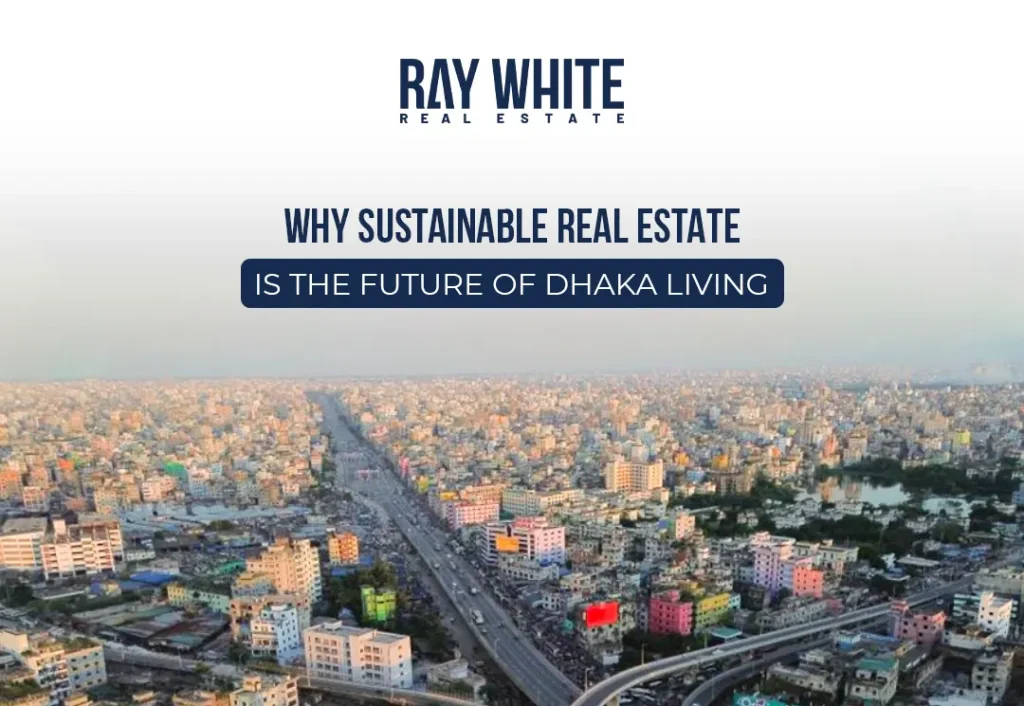
Dhaka is one of the most densely populated cities in the world. With temperatures, shrinking green cover, and ageing buildings, residents and developers are pushing to rethink how apartments are designed and built. The solution? Sustainable living.
Sustainable real estate in Bangladesh is no longer a niche concept. It is a direct response to real environmental and economic pressures, from soaring electricity bills to urban heat and flood risk.
For buyers and investors, green buildings now mean better liveability, lower running costs, and stronger long-term value. This guide delves into why sustainable real estate is the future of Dhaka living.
Rising Temperature and Urban Density in Dhaka
Dhaka is one of the fastest-growing cities in Asia. The city’s metro population reached 24.65 million in 2025, growing at 3 percent every year. For the best real estate developer company in Bangladesh, this level of growth makes sustainable design no longer optional.
Rapid urbanisation has caused local land surface temperatures to rise by as much as 3°C compared to surrounding areas. More buildings, less green space, and more concrete mean the city holds heat in ways it did not a generation ago.
Research published in Energy and Power Engineering found that around 75 percent of Dhaka’s electricity consumption is directly linked to ambient temperature. Conventional apartments with no passive cooling or green design drive this cost directly onto residents.
Energy-Efficient Apartments
Energy consumption in Dhaka’s residential sector is significant. According to SREDA, residential buildings are the second most energy-consuming structures in Bangladesh, accounting for 30.5 percent of total energy use.
In the last decade alone, the number of apartment units in Dhaka increased by almost 600 percent. Most of those buildings were built without meaningful energy efficiency features.
Energy-efficient apartments reduce this burden through passive design. Features like insulated walls, thermally rated windows, shaded facades, and LED lighting reduce dependence on air conditioning without sacrificing comfort.
Key energy-saving features to look for in a Dhaka apartment:
| Feature | Benefit |
| Wall and roof insulation | Reduces heat gain, lowers AC use |
| Double-glazed or tinted windows | Cuts solar heat entry by up to 40% |
| LED lighting throughout | Reduces lighting energy use by 60-70% |
| Solar panels or solar-ready design | Offsets common area electricity costs |
| Energy-rated appliances | Lowers monthly household bills |
And the proof is in the outcome. Bangladesh saved an estimated 3.3 billion US dollars in energy costs in a single fiscal year by improving efficiency across homes, factories, and the power system. The potential for further savings in residential buildings is substantial.
Natural Ventilation in Dhaka Apartments
In Dhaka’s heat and humidity, good airflow inside an apartment is not a luxury. It directly affects comfort and monthly electricity costs.
Cross ventilation means air moves through the apartment from one side to the other. Without it, rooms feel hot and stuffy even with air conditioning running.
Check which direction the unit faces before buying. South and southeast-facing apartments get the best natural breeze in Dhaka. Units boxed in by other buildings on all sides will always struggle with airflow.
Ceiling height matters too. Low ceilings trap heat at the living level. Higher ceilings let warm air rise and keep rooms cooler naturally.
Better airflow means less air conditioning, lower bills, and healthier air inside the home.
Green Rooftop Concepts
Most rooftops in Dhaka sit empty. They absorb heat all day and push that heat into the floors below. Green rooftops change that entirely.
A planted rooftop acts as a natural insulator. It keeps the building cooler in summer, absorbs rainwater during the monsoon season, and reduces the load on air conditioning inside the apartment.
For residents, a green rooftop also adds usable outdoor space. In a dense city where open space is scarce, it has real lifestyle value. For developers, green rooftops are a commitment to modern apartment design in Dhaka that goes beyond finishes and fittings.
Buyers should ask whether a rooftop green space is maintained by building management or left to residents. A well-managed green rooftop holds its value. A neglected one becomes a liability.
Utility Cost Savings in Sustainable Apartments
One of the most practical benefits of living in an eco-friendly apartment is lower monthly bills. Here is where the savings add up:
- Energy: Energy-efficient design, good insulation, and cross-ventilation reduce how much air conditioning a unit needs. Less AC use means a lower electricity bill every month.
- Water: Rainwater harvesting systems collect and reuse water for common areas, gardens, and flushing. Buildings with these systems reduce dependence on WASA supply and cut water costs significantly.
- Common Area Costs: Solar panels on rooftops, power lifts, lobbies, stairwell lighting, and security systems. This reduces the building’s shared electricity costs, which directly lowers monthly service charges for residents.
- Maintenance: Green buildings use better quality materials and systems from the start. They require fewer frequent repairs, which keeps maintenance fees lower over time.
- Cooling: Green rooftops, shaded facades, and proper unit orientation reduce indoor temperatures naturally. Residents in well-designed buildings run air conditioning less often and at lower settings.
Green Building Certifications in Bangladesh
Bangladesh already has a strong foundation in green building. The country is currently ranked number one globally in LEED-certified factories, with over 243 certified garment facilities as of 2025. That expertise is now moving into the residential sector.
The BEEER system was drafted by SREDA and approved by the government on 31 March 2024, making it Bangladesh’s first official green building rating for the local market. It evaluates buildings on energy efficiency, water use, waste management, and indoor air quality. It is currently voluntary but is expected to become mandatory by 2026.
LEED, developed by the US Green Building Council, remains the most recognised international standard. As of 2024, there were over 195,000 LEED-certified buildings across 186 countries.
For buyers, a BEEER or LEED certified apartment is a clear signal that the building was designed and built to a verified standard, not just marketed as green.
Sustainable Materials Used in Modern Dhaka Apartments
The materials used to build an apartment affect everything from indoor temperature to long-term maintenance costs. The best real estate developer in Bangladesh plans to use these materials. Here is what to look for in a sustainably built apartment in Dhaka:
- AAC Blocks (Autoclaved Aerated Concrete): Lighter than traditional brick, AAC blocks provide better thermal insulation and reduce the overall load on the building structure.
- Low-VOC Paint: Paints with low volatile organic compounds improve indoor air quality. Standard paints release harmful chemicals into the air for months after application.
- Recycled Steel Reinforcement: Some developers now use steel with recycled content for structural reinforcement, reducing the carbon footprint of construction without compromising strength.
- Double-glazed or Tinted Glass: Reduces solar heat entering the apartment, lowering indoor temperatures and cutting air conditioning use.
- Bamboo or Engineered Wood Finishes: Fast-growing and renewable, bamboo is increasingly used for flooring and interior finishes as a replacement for hardwood.
- Rainwater Harvesting Pipework: Built-in plumbing for rainwater collection reduces dependence on the municipal water supply during the dry season.
Request a complete specification sheet before signing. The materials used in a building determine its performance for the next 30 to 50 years.
How the Best Real Estate Developer Company in Bangladesh Is Shaping a Green Future
Bangladesh’s construction sector is growing steadily. Report from Trading Economics states that GDP from construction increased to BDT 3,194 billion in 2025, up from BDT 3,148 billion in 2024. The decisions developers make at this scale will shape how Dhaka looks and performs for the next 50 years.
Another World Bank Group report released at the Bangladesh Investment Summit 2025 highlighted that targeted policy reforms in the construction and housing sector could create up to 2.37 million jobs annually. Practices for green building in Bangladesh are central to those reforms.
For buyers, choosing a developer that is already building green is not just an environmental choice. It is a practical one. Buildings designed for sustainability cost less to run, meet future regulations, and hold their value longer.
A report published in the Daily Desh Rupantor states that top real estate companies like Ray White Ltd. are shaping the landscape of eco-friendly housing solutions for Dhaka residents. This practice proves that sustainable living is more than a lifestyle; it’s now a necessity, and real estate builders of Bangladesh must adopt sustainable practices.
Final Thoughts
Sustainable real estate in Bangladesh is not a future trend. It is already reshaping how apartments are designed, built, and valued in Dhaka.
Rising temperatures, higher energy costs, and tightening building regulations mean that green features are moving from optional extras to basic expectations. The best real estate developer company in Bangladesh will be the ones who build to these standards today, not after they become mandatory. Buyers who understand this now will make better decisions and stronger investments.
FAQs
What is the best real estate developer company in Bangladesh?
The right developer depends on your priorities. Buyers focused on sustainability should look for REHAB-registered developers with completed green projects, BEEER or LEED credentials, and a verified on-time handover record. Ray White can help you evaluate and compare developers based on your specific needs, budget, and location preferences.
What is the BEEER rating system?
BEEER stands for Bangladesh Energy Efficiency and Environmental Rating. It is Bangladesh’s first official green building rating system, approved by the government in 2024. It evaluates buildings on energy use, water efficiency, and indoor air quality.
What is LEED certification?
LEED stands for Leadership in Energy and Environmental Design. It is an internationally recognised green building standard developed by the US Green Building Council. A LEED-certified building has been independently verified to meet strict sustainability criteria.
Do green buildings actually save money on electricity?
Yes. Features like cross ventilation, insulated walls, solar panels, and energy-efficient lighting reduce how much electricity a building consumes. For residents, this means lower monthly bills from day one.